What College Life in Pune Is Really Like for Students
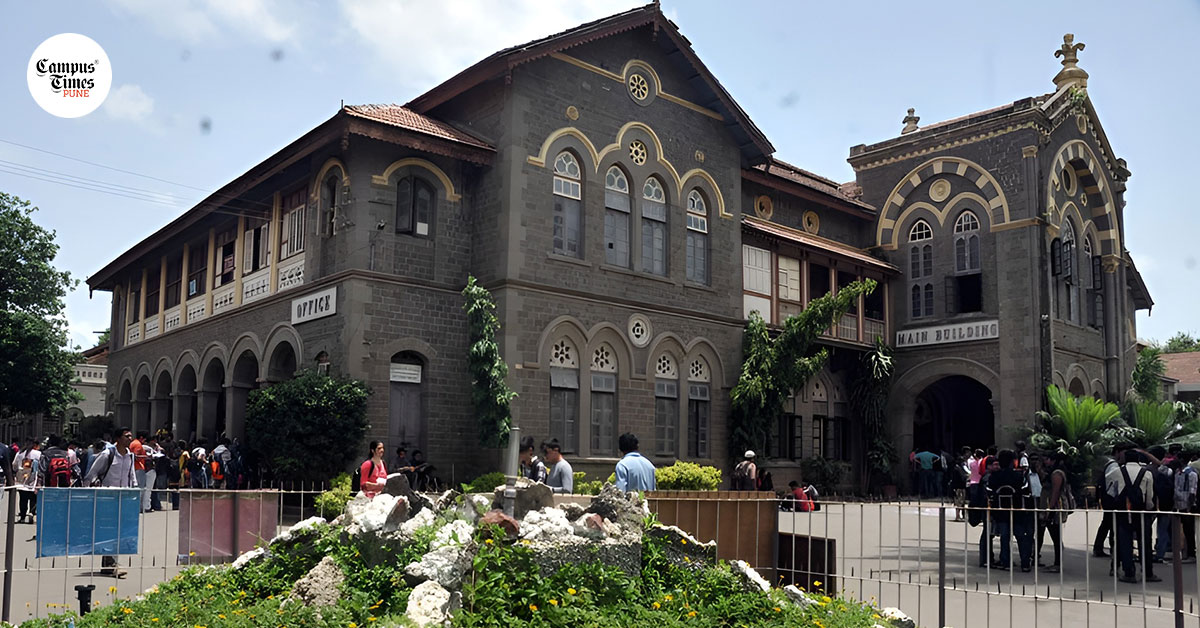
The first thing you notice when you start college in Pune is not the campus gate or the classrooms. It is the feeling that everyone else seems to already know where they are going. On the road outside Fergusson College, students walk with purpose. In Hinjawadi, engineering colleges spill batches of tired faces into shared autos. Near Deccan, cafes fill up by late afternoon with laptops, group projects, and conversations that slide easily between exams and life. If you are new, it can feel like you arrived late to a story that was already in progress.
College life in Pune is often described from the outside as exciting, flexible, and full of opportunity. From the inside, it is messier, slower, and far more personal. It is not just about academics or exposure. It is about learning how to belong in a city that does not stop to welcome you, but gives you space to figure things out on your own.
The city becomes part of the classroom
Unlike smaller college towns, Pune does not wrap itself around one campus. Most students travel every day. Buses are crowded in the morning, quieter in the afternoon, and chaotic again by evening. A lecture might end at noon, but the day continues through library stops, internships, part time work, or simply waiting for friends at a tea stall.
This movement changes how students experience college. Learning does not stay inside classrooms. It spills into bus rides where notes are revised on phones, into cafes where assignments are discussed, and into rented rooms where seniors explain concepts the syllabus never clearly does. The city becomes an informal extension of campus life.
This also means independence arrives early. Many students live away from home for the first time. They learn to manage time, money, food, and friendships all at once. Pune does not guide you through this. It simply allows you to practice, fail quietly, and try again the next day.
Classrooms feel different from college to college
There is no single academic culture in Pune. A lecture hall at a traditional arts college feels very different from one at a private engineering institute. Some classrooms are rigid and attendance driven. Others feel surprisingly relaxed, with students coming and going between lectures.
What many students quickly learn is that classroom engagement depends heavily on the teacher and the peer group, not the syllabus alone. In some colleges, discussions spill beyond textbooks. In others, students focus only on what will be tested. Neither approach is universal or permanent. Most students adjust over time, choosing where to invest their energy and where to simply get through.
College life here often teaches students how to navigate systems rather than absorb knowledge passively. Figuring out which lectures matter, which internal assessments can be managed, and how to prepare for exams without burning out becomes part of the unspoken curriculum.
Friendships form in unexpected ways
Many students arrive expecting instant friend groups. The reality is slower and more uneven. In Pune colleges, friendships often form through shared routines rather than dramatic first day moments. Sitting next to the same person in lectures. Waiting together outside faculty rooms. Commuting on the same bus route.
Hostel life accelerates bonding, but even there, closeness grows through small, repetitive interactions. Sharing meals. Borrowing chargers. Talking late into the night about stress that feels too minor to call home about.
There is also a quiet loneliness that many students experience but rarely talk about. Being surrounded by people does not guarantee connection. It is common to feel slightly out of place during the first year, even in popular colleges. Over time, most students find their people, but the process is rarely instant or smooth.
Clubs promise more than they deliver
Clubs and societies are a visible part of Pune college culture. At the start of the academic year, recruitment drives feel energetic and hopeful. Posters promise creativity, leadership, and exposure. For some students, clubs become a second home. For others, the excitement fades quickly.
What students learn is that clubs reflect the same dynamics as any other group. Power structures exist. Workloads are uneven. Recognition is not always fair. This does not make clubs meaningless, but it does make them human.
College life in Pune teaches students to choose involvement carefully. Being part of everything is neither possible nor necessary. Many students eventually step back from clubs, focusing instead on academics, internships, or personal projects that feel more aligned with their goals.
Inter college events shape identity quietly
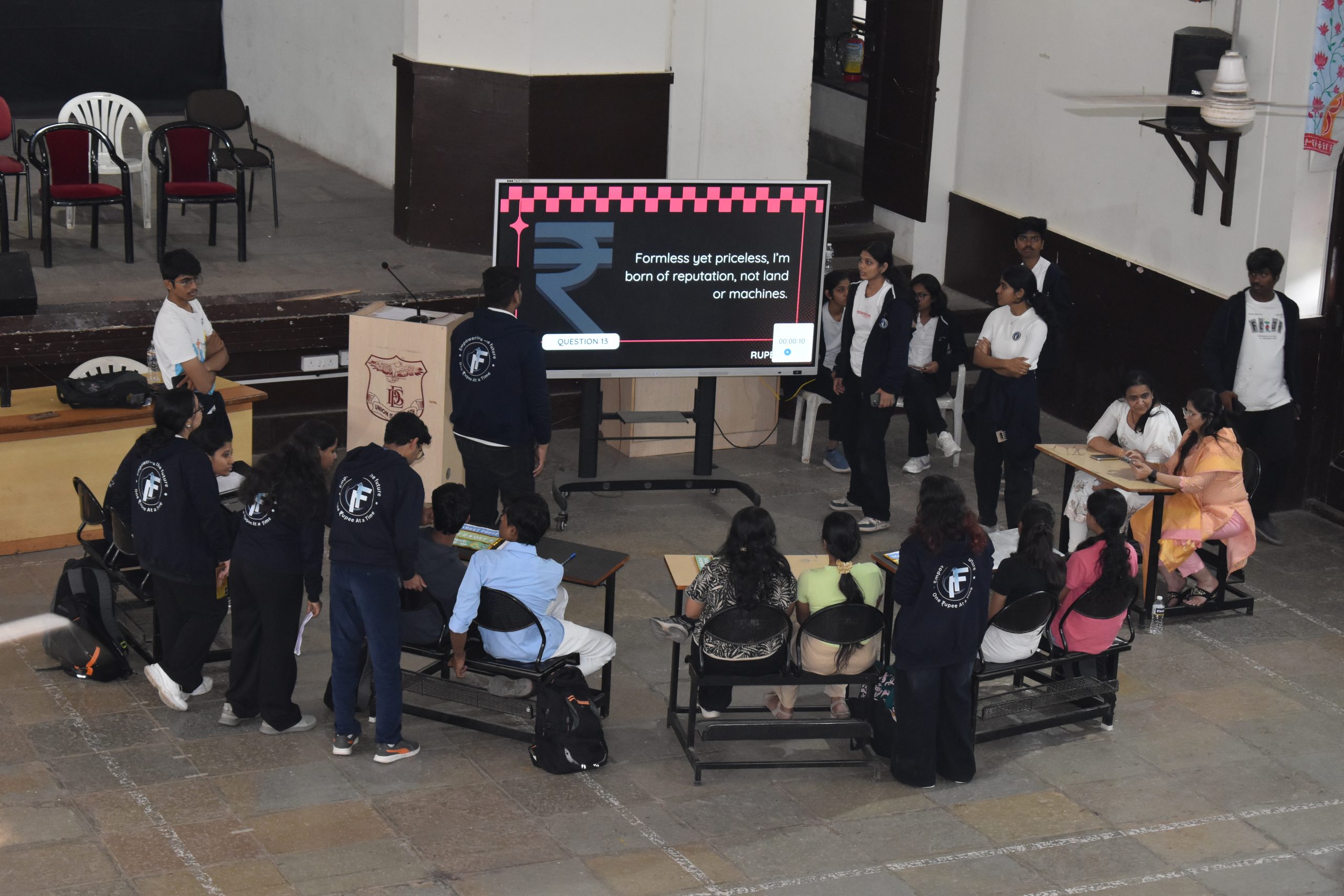
Fests and competitions bring a different energy to student life. Inter college events are not just about performances or prizes. They are where students see how their college fits into the larger ecosystem of the city.
Traveling to another campus, performing on an unfamiliar stage, or competing against students from different backgrounds expands perspective. Even students who do not participate directly feel the impact through stories, photos, and conversations that follow.
These events often create memories that outlast academic achievements. Not because they are grand, but because they allow students to step outside routine and test themselves in unfamiliar environments.
The pressure to plan the future never fully disappears
From the first semester onward, conversations about the future begin quietly. Seniors talk about placements. Peers discuss internships. Family members ask practical questions during phone calls home.
Pune offers exposure to many paths, but it also amplifies comparison. Seeing others succeed early can create anxiety. Students often feel they are falling behind even when they are simply moving at a different pace.
College life here teaches an important lesson slowly. There is no single timeline that fits everyone. Many students change direction multiple times. The city allows for this flexibility, even if it does not always reassure you while you are figuring it out.
Professors matter more than rankings
Students often arrive with expectations shaped by college reputations. Over time, individual faculty members make a greater difference than institutional labels. A supportive professor can transform a subject. An indifferent one can make it feel impossible.
In Pune, where colleges vary widely, students learn to seek mentors actively. Office hours, informal conversations, and project guidance often matter more than formal lectures. These relationships, when they happen, can shape confidence and direction in unexpected ways.
Growth happens quietly between semesters
There is rarely a single moment when students feel they have figured college life out. Growth shows up subtly. Feeling less nervous during presentations. Navigating administrative work without panic. Saying no to commitments that do not serve you.
By the final year, many students realize they have changed more than they expected. Not because college transformed them dramatically, but because daily experiences added up over time.
What students rarely say out loud
College life in Pune is not always glamorous or fulfilling. Some days feel repetitive. Some semesters feel overwhelming. There are disappointments that do not make it to social media.
At the same time, there is space here to become yourself without too much interference. The city does not demand that you perform constantly. It allows you to exist, experiment, and grow at your own speed.
For most students, the real value of college life in Pune is not found in brochures or rankings. It is found in the ordinary days that slowly teach you how to manage freedom, responsibility, and uncertainty all at once.